


Running is a great exercise, but it may not be enjoyable for everyone due to the stress it places on the joints, the need for strong cardiovascular fitness, and the fact that it can be difficult for many people. However, if you don’t enjoy running, don’t skip cardio workouts!
In this article, we present 7 alternatives to running that can help you burn calories.
Some of these exercises require equipment, while others can be done without any equipment. No excuses!
Some benefits of cardio
Weight loss
If you want to lose weight, excessive cardio is not necessary. The most important factor in fat loss is diet and consuming fewer calories than you burn each day. However, 30 minutes of cardio can help you burn more calories, making the fat-loss process easier and improving your overall appearance.
However, it’s important to remember that doing too much cardio during a fat-loss phase can lead to excessive muscle loss, potentially increasing the ratio of body fat to lean muscle mass, which may raise the risk of conditions such as high blood pressure or other health issues.
Improved overall health
Cardio training provides many health benefits:
Improved heart health: Aerobic exercise can help prevent heart disease and coronary artery disease. It can also be used in rehabilitation for patients diagnosed with heart conditions.
Lower blood pressure: Australian researchers found that 30–40 minutes of aerobic exercise several days per week can reduce blood pressure and the risk of related diseases.
Improved mood and mental health: Exercise can help reduce mental health conditions such as anxiety and depression.
Better sleep quality: Studies show that regular exercise helps people experience longer, uninterrupted sleep and improves overall sleep quality.
Recommended cardio duration
Studies suggest that the ideal amount of cardio is 150 minutes of moderate-intensity or 75 minutes of high-intensity cardio per week.
If you don’t have time for this in addition to your strength training, you can combine both. For example, you can do 20 minutes of stair climbing after your weight training session.
- Rowing
- Stair climber
- Cycling
- Swimming
- Hiking
- Walking
- Jumping rope
- Circuit training
1. Rowing
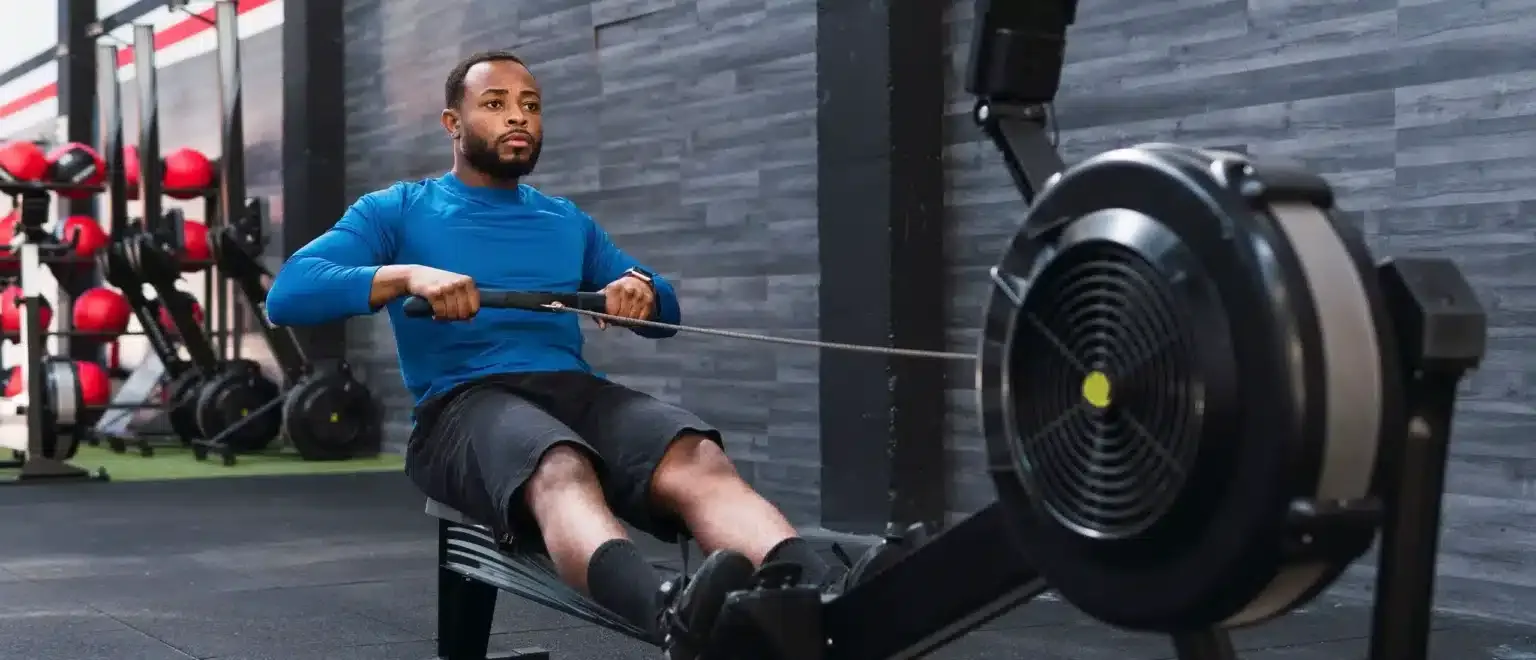
The rowing machine is a common tool in CrossFit, Orangetheory, and other fitness classes. It is a challenging full-body workout that engages muscles in the legs and back.
2. Stair climber

The stair climber is a popular gym machine. As the name suggests, it simulates climbing stairs. In addition to improving cardiovascular fitness, it also helps improve core stability when used without holding the handles.
3. Cycling
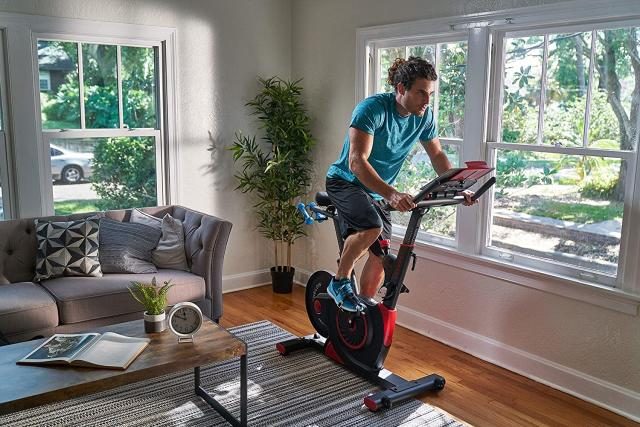
If you don’t like the joint impact of running, cycling is a lower-impact option for your lower body. It also offers flexibility since you can do it indoors on a stationary bike or outdoors. You can increase resistance to make the workout more challenging.
4. Swimming

Swimming is an excellent alternative to running. If you want a low-impact activity that still burns a lot of calories, swimming is ideal. Research shows that swimming can burn an average of 223–878 calories per hour.
In addition to increasing heart rate, swimming also strengthens the arms, chest, back, shoulders, core, and legs.
5. Hiking

If you live near mountains or open landscapes, hiking can be both a recreational activity and a workout.
6. Walking

Walking may not elevate your heart rate as much as other options, but it is a simple activity you can do anywhere as long as you have a pair of shoes.
Walking can improve heart health at all ages and enhance quality of life in older adults (40+) suffering from knee arthritis. To increase intensity, try walking faster.
7. Jumping rope
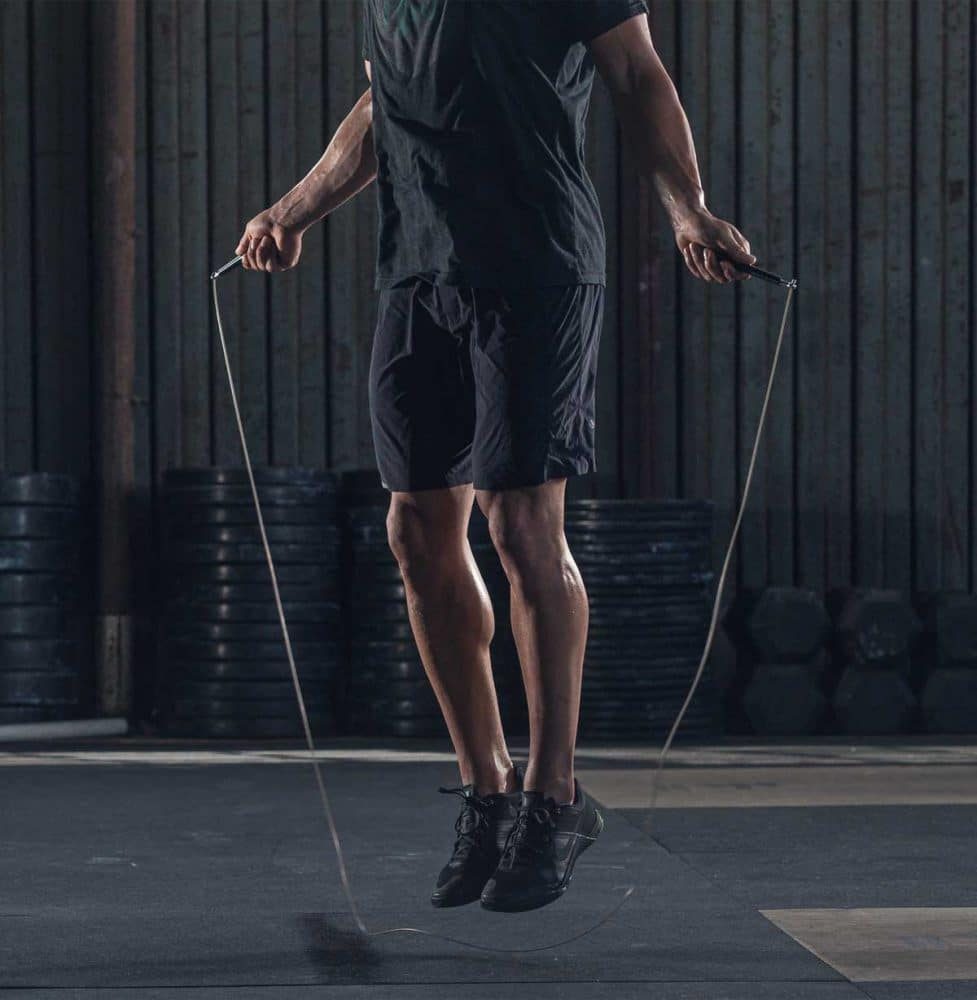
Jump rope is highly effective, but only if your joints can tolerate it. It improves cardiovascular fitness, burns calories, and also enhances coordination, leg strength, balance, and agility.
Conclusion
If you don’t enjoy running, don’t skip cardio. Choose any of the above exercises that you enjoy and stay consistent.