


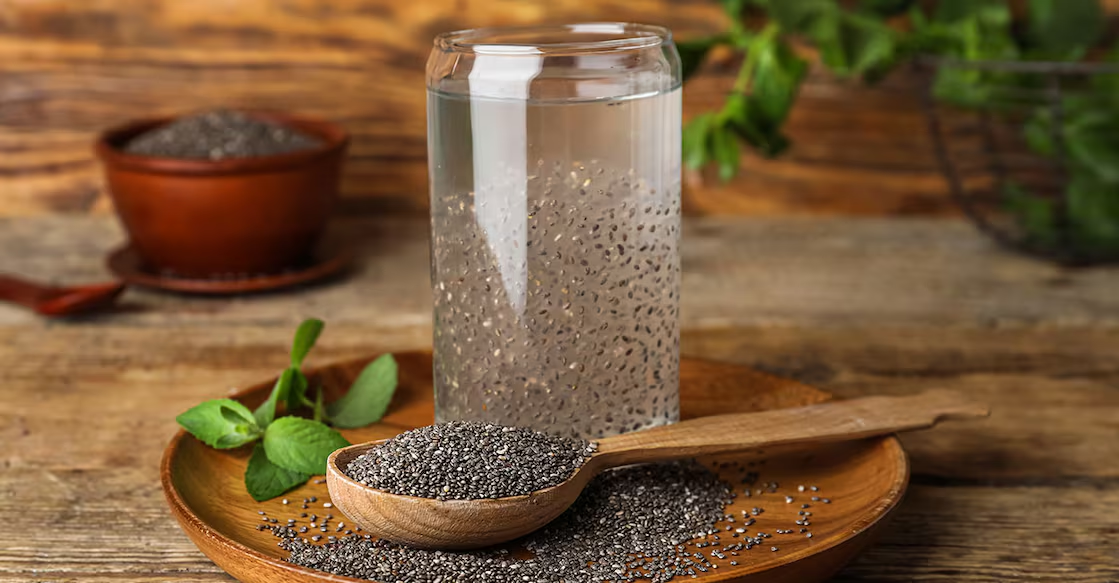
In today’s world, where healthy nutrition has become one of people’s main concerns, the use of natural and nutrient-dense foods such as chia seeds has gained significant attention. These tiny black seeds are considered a “superfood” due to their exceptional health benefits and have become increasingly popular among athletes, nutritionists, and individuals following a healthy lifestyle.
In the following sections, we explore the most important benefits of chia seeds for health, weight loss, and athletic performance.
Nutritional Composition of Chia Seeds
Chia seeds are rich in valuable nutrients that play an important role in maintaining overall health and improving physical performance:
1. Fiber: the key to digestive health and weight control
Chia seeds are among the richest plant-based sources of fiber. Just two tablespoons (about 28 grams) contain nearly 10 grams of fiber, which provides approximately 30–40% of the body’s daily fiber requirement.
Most of the fiber in chia seeds is soluble fiber. When it comes into contact with liquids, it forms a thick gel-like substance. This property has two major benefits:
Long-lasting satiety:
When chia seeds expand in the stomach, they occupy more space and slow down the digestion process. This helps reduce hunger for a longer period and ultimately lowers calorie intake. Therefore, chia seeds are an excellent option for individuals aiming for weight loss or appetite control.
Improved digestive function:
Fiber also supports the smooth movement of food through the intestines and helps prevent constipation. Adequate fiber intake plays a key role in gut health, maintaining beneficial gut bacteria, and regular elimination of toxins.
In addition, increased fiber consumption may help reduce blood cholesterol levels and regulate blood sugar, making chia seeds a powerful addition to a daily diet.
2. Omega-3 fatty acids: supporting heart and brain health
When we think of beneficial fatty acids, fish often comes to mind. However, for a plant-based, natural, and simple source of omega-3, chia seeds are one of the best options. They contain a significant amount of alpha-linolenic acid (ALA), a type of omega-3 essential for heart, brain, and cellular health.
How omega-3 in chia supports the body:
Supports heart health:
Omega-3 helps reduce harmful blood fats such as triglycerides and supports healthy blood circulation, thereby reducing pressure on the heart. Regular consumption may lower the risk of heart attacks and chronic cardiovascular diseases.
Reduces inflammation:
Modern lifestyles often expose the body to chronic inflammation, which can manifest as fatigue or muscle pain. Omega-3 acts as a natural anti-inflammatory agent and supports the body’s recovery processes.
Improves focus and memory:
Brain function relies heavily on healthy fats. Omega-3 contributes to better concentration, memory retention, and mood stability. If you often feel mentally tired during the day, increasing omega-3 intake may be beneficial.
3. Plant-based protein
About 20% of chia seeds’ weight consists of protein. This protein is essential for muscle building and maintenance, tissue repair, and providing daily energy to the body.
4. Antioxidants
Antioxidants are essential compounds that protect the body by neutralizing free radicals, helping maintain cellular health and preventing oxidative damage. If left unchecked, oxidative stress can lead to chronic diseases, premature aging, and weakened immune function.
Chia seeds are naturally rich in antioxidants such as caffeic acid, chlorogenic acid, quercetin, and kaempferol. These bioactive compounds have been shown in various studies to possess anti-inflammatory, anticancer, and cell-protective properties.
One reason chia seeds have a long shelf life without preservatives is precisely their high antioxidant content, which prevents oxidation of their healthy fats.
Benefits of chia antioxidants include:
- Healthier skin and stronger immune function
- Protection against cellular and DNA damage
- Reduction of chronic inflammation associated with diseases such as type 2 diabetes and cardiovascular conditions
5. Essential minerals: supporting bodily functions
Although chia seeds may look simple, they are packed with essential minerals such as calcium, magnesium, phosphorus, and iron—each playing a vital role in bodily functions, from muscle contraction to energy production.
Key benefits:
- Calcium: Supports bone strength, muscle contraction, heart rhythm, and nerve function.
- Magnesium: Helps reduce stress, improve sleep quality, and relieve muscle tension.
- Phosphorus: Plays a key role in energy production (ATP) and metabolism.
- Iron: Essential for oxygen transport in the blood, especially important for athletes and women.
Summary
Despite their small size, chia seeds are one of the most nutrient-dense plant-based foods. They are rich in fiber, omega-3 fatty acids, plant protein, antioxidants, and essential minerals such as calcium, magnesium, phosphorus, and iron.
Regular consumption of chia seeds can significantly improve overall health—from better digestion and heart function to stronger immunity, reduced inflammation, improved bone health, and weight management.
One of the greatest advantages of chia seeds is their ease of use; they can be added effortlessly to daily meals such as smoothies, yogurt, salads, or even plain water.
Considering all these benefits, chia seeds can be regarded as a powerful natural supplement suitable for athletes, individuals on weight-loss diets, and anyone seeking a healthier lifestyle.