



15 Foods for a Healthy Bulking Phase
There are many ways to approach a bulking phase, but maintaining your health should always be a priority.
Every Nutrition Plan Is Different
Your body, metabolism, and genetic makeup are unique. That means there is no single diet or meal plan that works perfectly for everyone. If you plan to make significant changes to your diet, consult your doctor first. Sudden dietary changes, especially if you have certain health conditions or eating disorders, can negatively affect your health.
Understanding Some Key Terms
Metabolism
Metabolism refers to the chemical reactions within your body’s cells that convert food into energy. Your body needs this energy for everything from movement and thinking to growth and recovery.
Thermic Effect of Food
This is the energy required to digest, absorb, and process the food you eat.
Thermic Effect of Physical Activity
This is the amount of energy you burn during exercise and daily activities.
Non-Exercise Activity Thermogenesis (NEAT)
NEAT refers to the energy expended for everything other than sleeping, eating, or structured exercise. This includes activities such as walking to work, typing, cleaning, and other daily movements.
Calorie Requirements for Bulking
The table below shows the approximate calorie requirements for maintaining body weight:
| Activity Level | Calories per kg of Body Weight |
|---|---|
| Very little exercise | 25–29 kcal |
| 30–60 minutes of training, 5–6 times per week | 32–35 kcal |
| 60–90 minutes of training, 5–6 times per week | 37–41 kcal |
| 90–120 minutes of training, 5–6 times per week | 44–48 kcal |
| 120–180 minutes of training, more than 5 times per week | 50–60 kcal |
Important Note: According to NHS recommendations, if you’re trying to gain weight, you should consume an additional 300–500 calories per day.
Example:
A 72.6 kg athlete training 60–90 minutes per session, 5–6 times per week, requires approximately:
3040–3360 calories per day for maintenance
- 500 calories for weight gain
= 3540–3860 calories per day
According to research from Stanford Medical Center, a healthy rate of weight gain is approximately 0.5–0.9 kg (1–2 lbs) per week.
Macronutrients
Functions of Macronutrients
Carbohydrates
The body’s primary fuel source. They provide energy for muscles and the central nervous system during physical activity.
Protein
Provides structure for tissues, including cell membranes, organs, muscles, hair, skin, nails, bones, tendons, ligaments, and blood plasma. Protein also plays key roles in metabolic, hormonal, and enzymatic processes and helps maintain acid-base balance.
Fat
Serves as an energy reserve, provides insulation and protection for organs, and is essential for the absorption and transport of fat-soluble vitamins.
Suggested Macronutrient Ratio for Bulking
- 40% Carbohydrates (4–7 g per kg of body weight)
- 25% Protein (2–2.5 g per kg of body weight)
- 35% Fat (0.5–2 g per kg of body weight)
15 Foods for a Healthy Bulking Phase
Bulking doesn’t mean eating ice cream, cookies, and other low-nutrient foods. Instead, focus on meals rich in protein, carbohydrates, and healthy fats.
Protein Sources
1. Eggs

Eggs are considered the gold standard of protein because they contain all essential amino acids. However, excessive egg yolk consumption may increase cholesterol levels, so moderation is important.
2. Beef
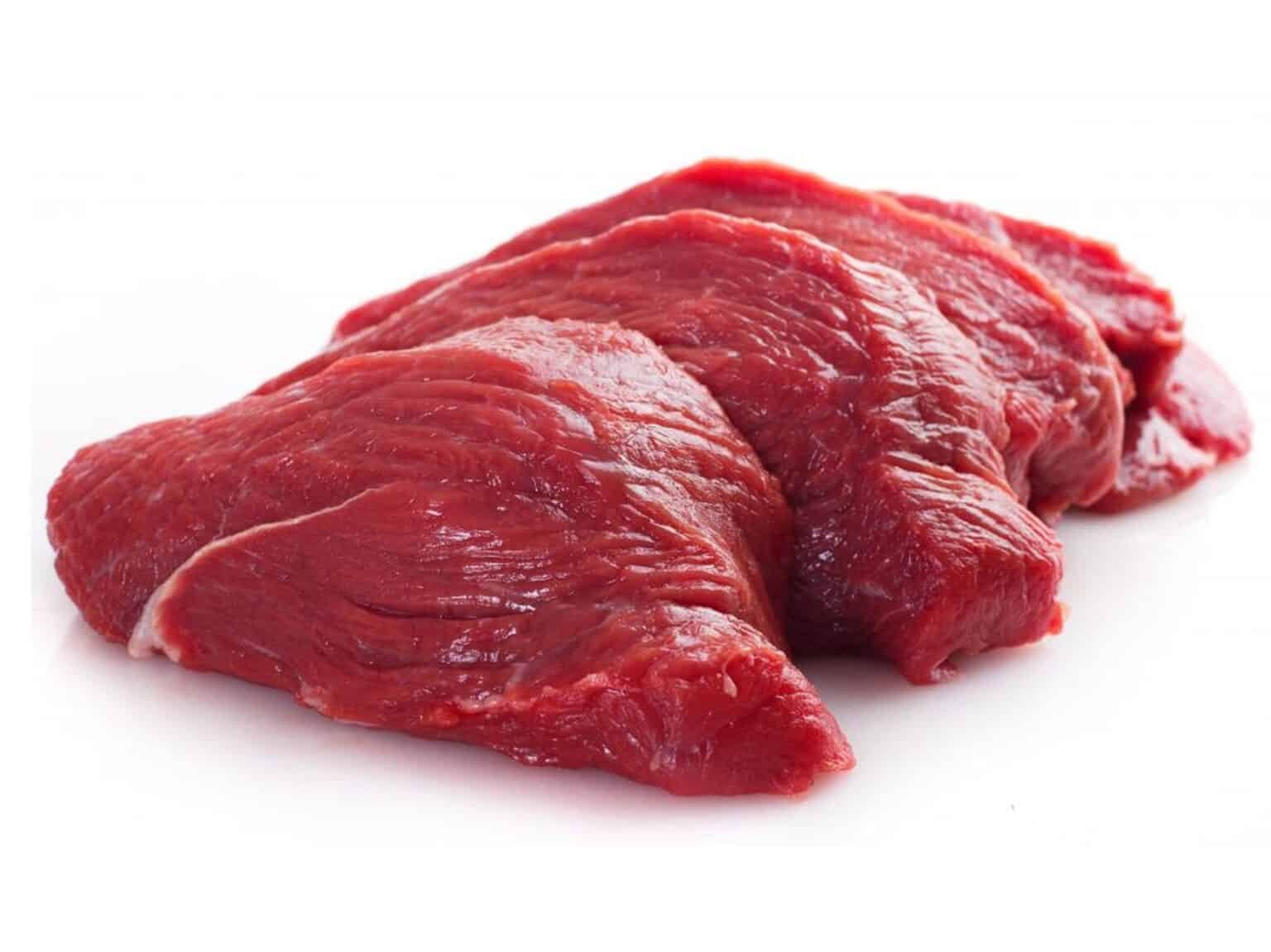
Beef often gets a bad reputation due to its saturated fat content, but it can be part of a healthy diet when consumed in moderation.
3. Beans
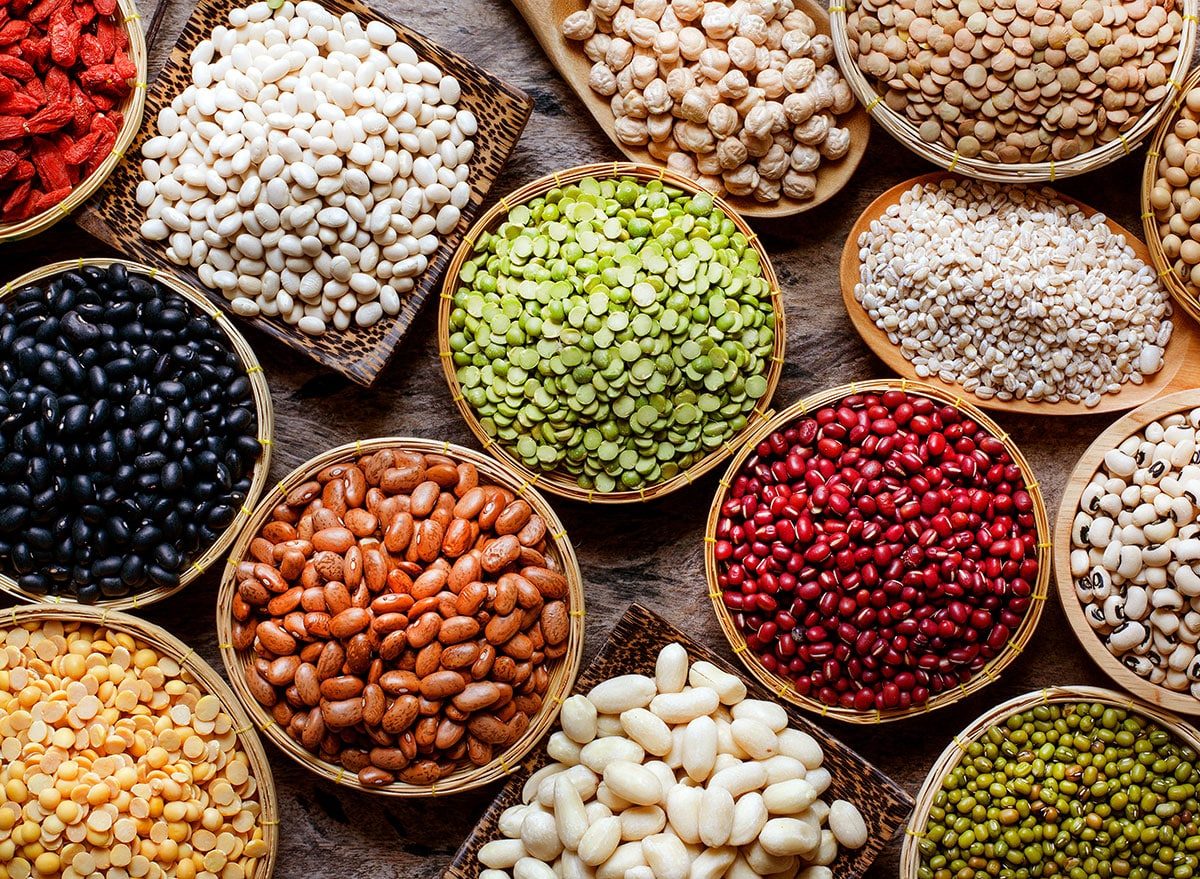
Beans are rich in iron, potassium, zinc, folate, plant-based protein, and fiber. If you’re new to eating beans regularly, increase your intake gradually and drink plenty of water.
4. Nuts and Seeds
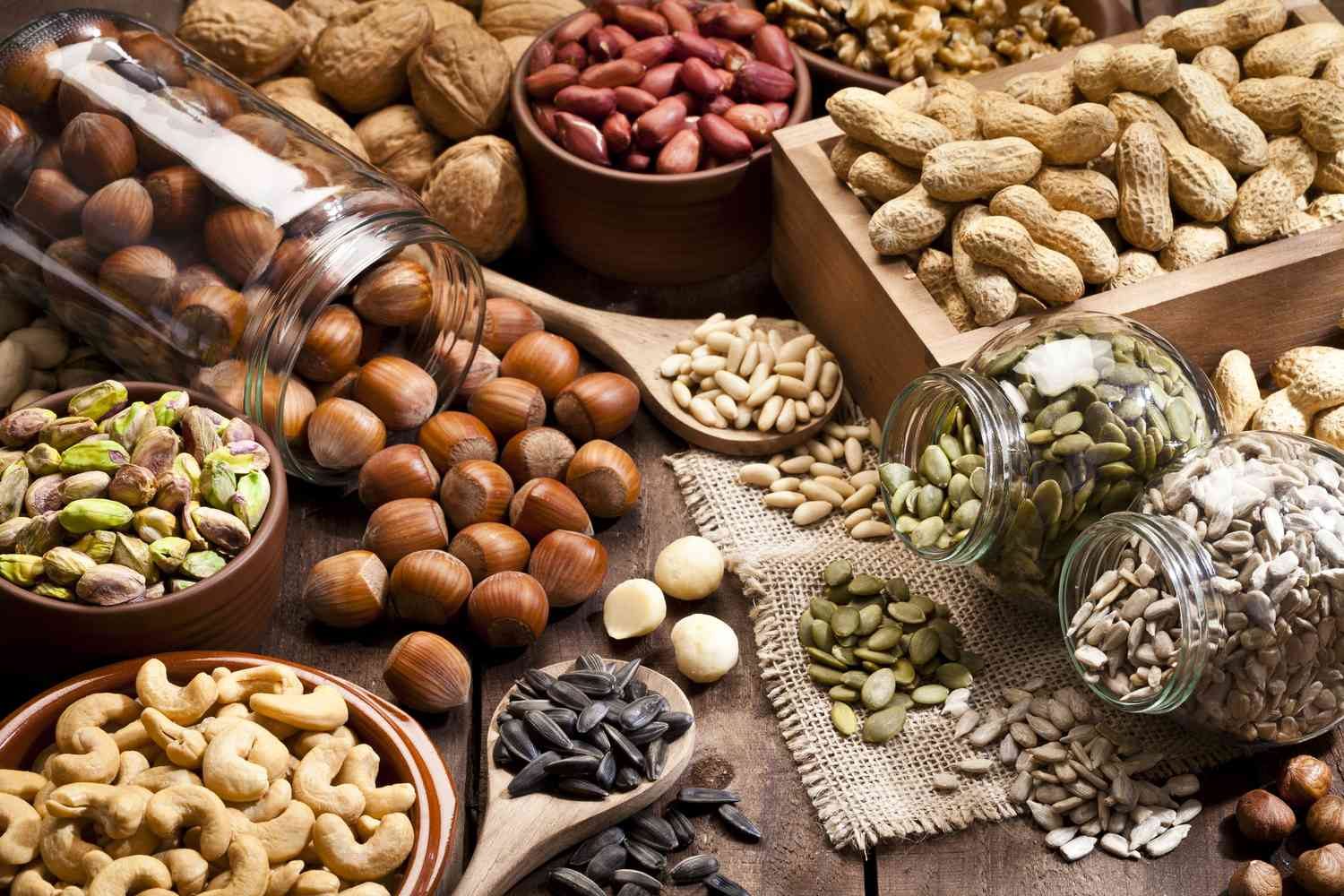
Nuts and seeds make excellent snacks and provide heart-healthy fats, fiber, vitamins, and minerals.
5. Milk
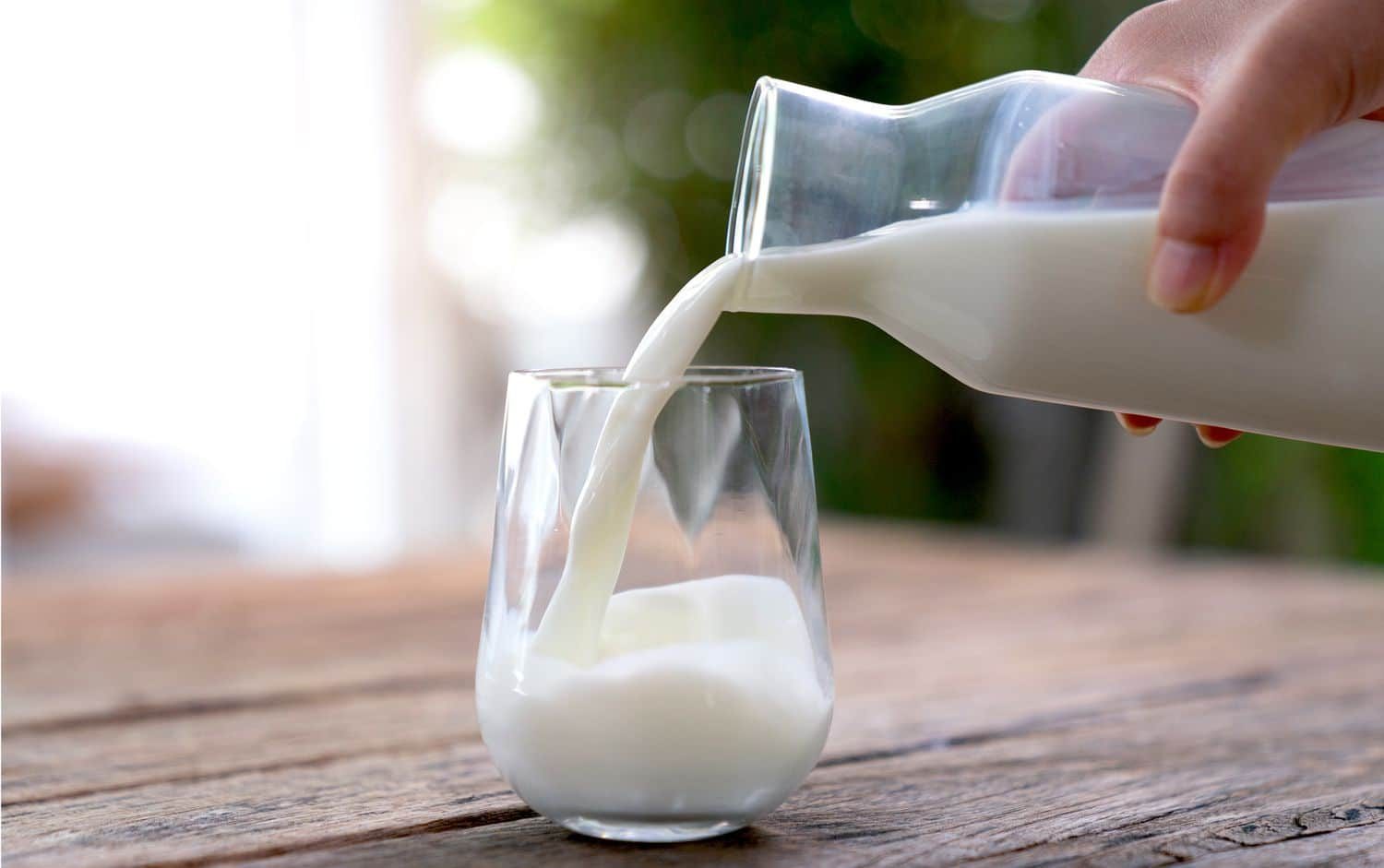
Milk offers an ideal combination of protein, carbohydrates, and fats. It is also rich in calcium and vitamin D.
6. Yogurt

Yogurt supports gut health and provides high-quality protein for muscle growth. Full-fat varieties are generally more suitable for weight gain.
7. Cheese

Cheese is a calorie-dense source of protein and calcium. Opt for less processed varieties whenever possible.
Carbohydrate Sources
8. Pasta

Often considered a dream food for bulking, pasta is calorie-dense and also provides B vitamins that support energy production.
9. Potatoes
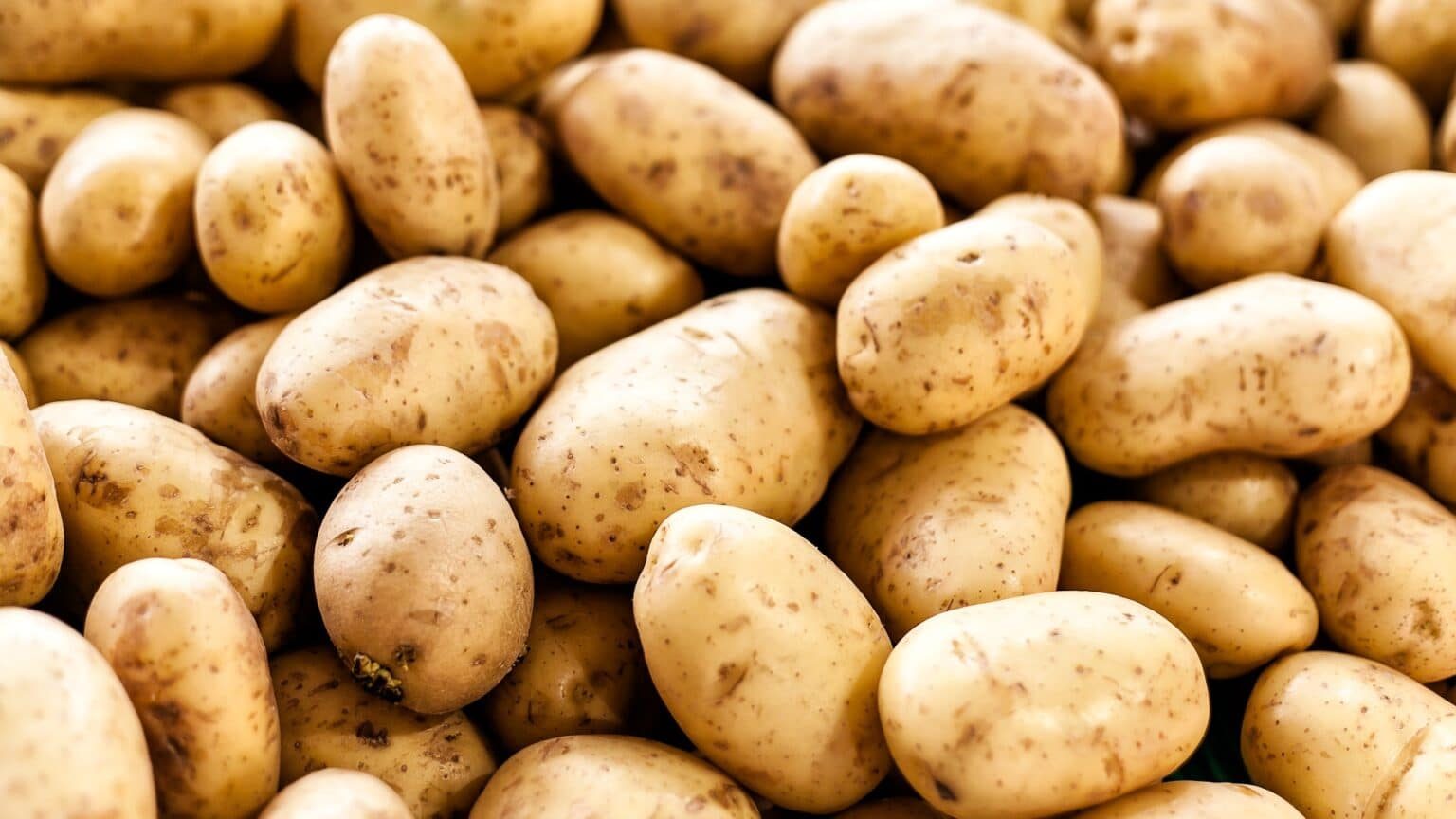
Potatoes are rich in carbohydrates and potassium, making them an excellent source of energy and hydration support during intense training.
10. Whole-Grain Bread and Crackers
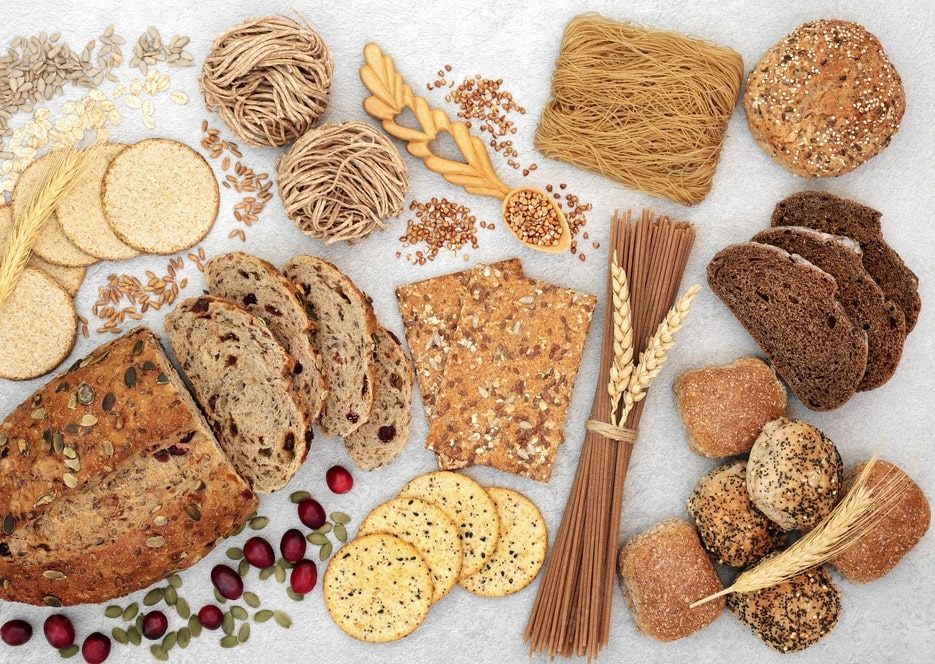
Whole-grain options provide complex carbohydrates, fiber, vitamins, and minerals that deliver sustained energy.
11. Oats
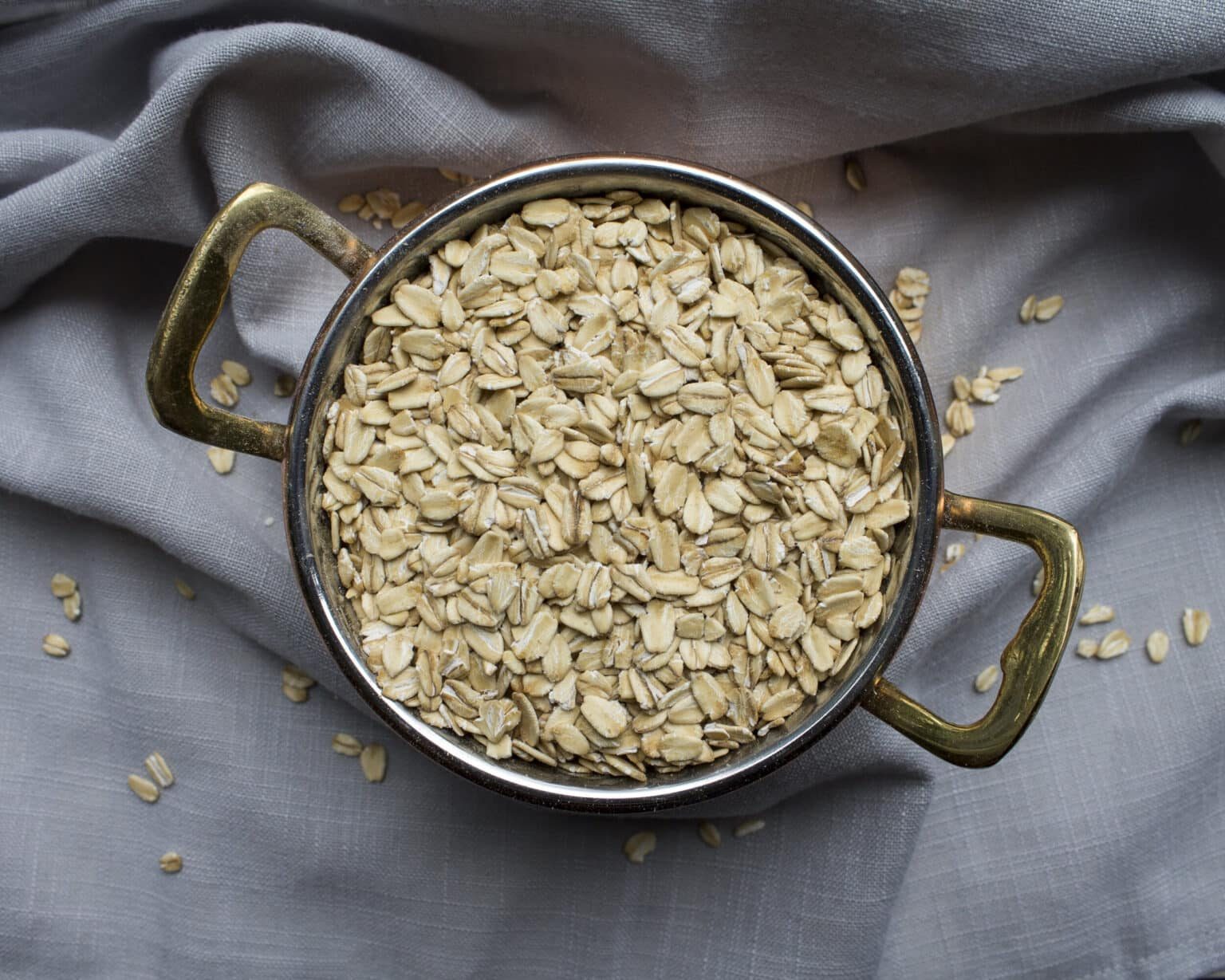
Although often associated with weight loss, oats can also support healthy weight gain. They provide soluble fiber and sustained energy.
12. Granola
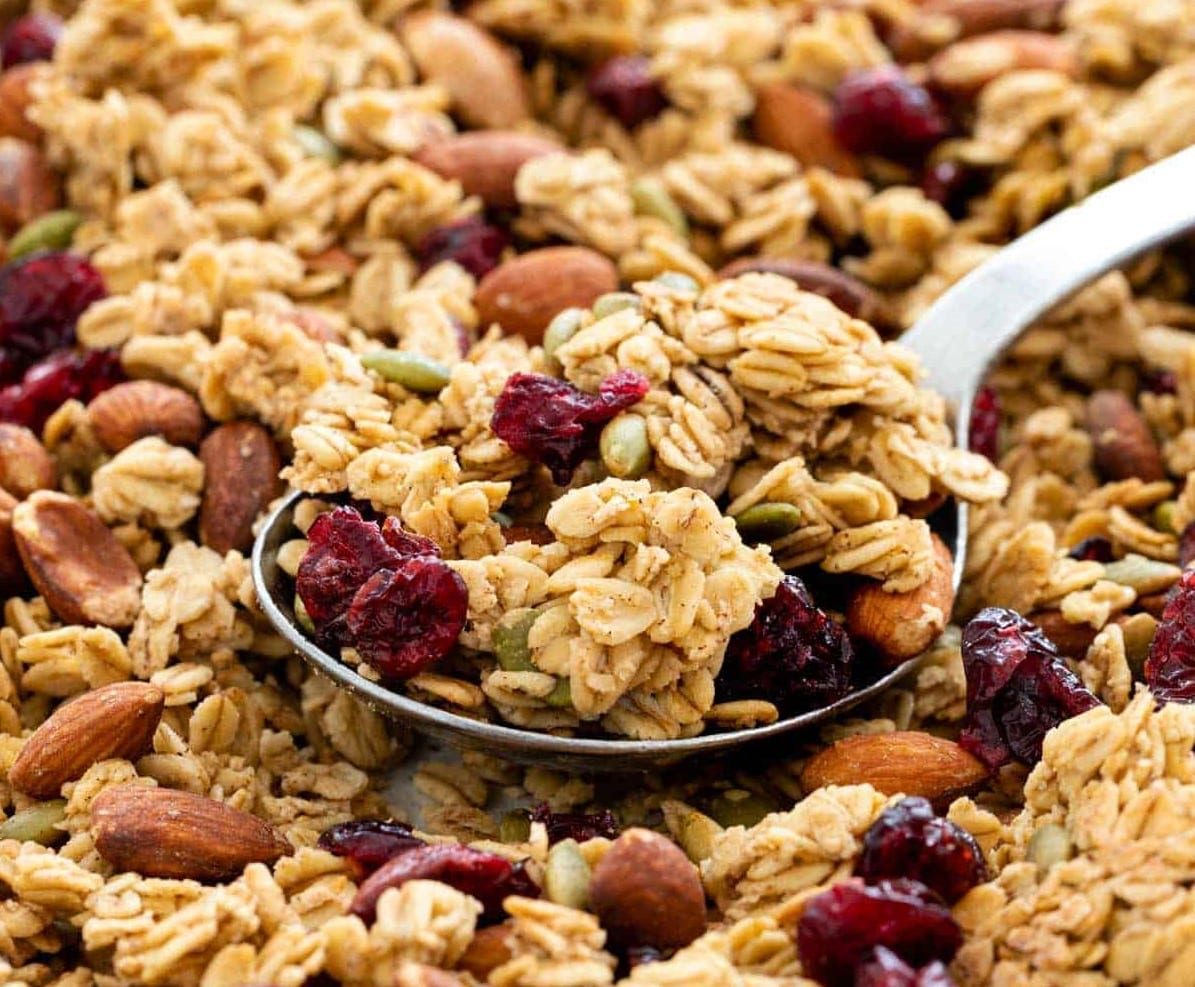
Granola is typically made from oats mixed with oils, sweeteners, nuts, and dried fruit. It is highly calorie-dense and can contain over 500 calories per cup.
Healthy Fat Sources
13. Olives

Olives are rich in healthy fats, vitamin E, and oleic acid, all of which support heart health and help reduce inflammation.
14. Avocados
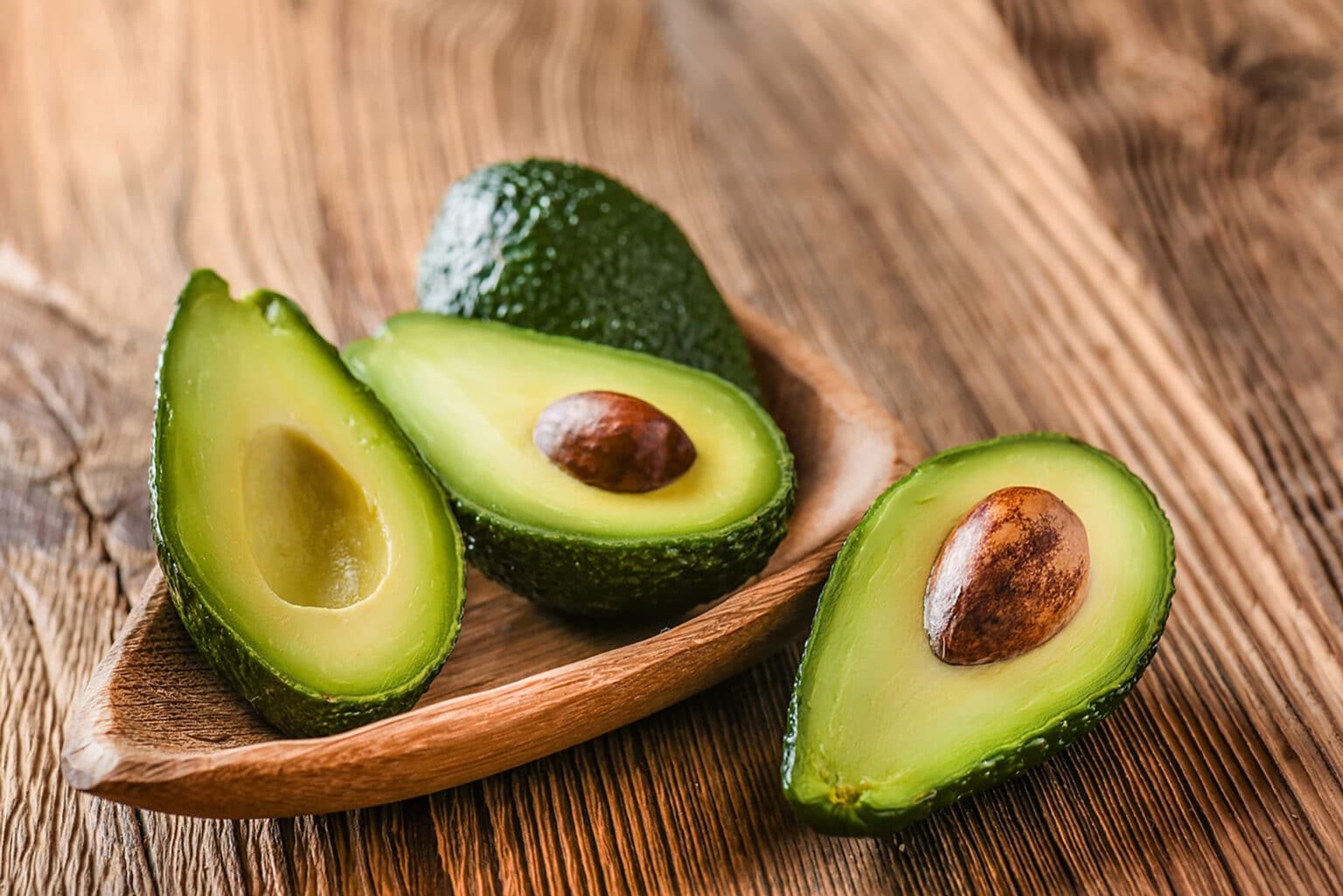
Avocados provide heart-healthy fats, vitamin E, antioxidants, and approximately 160 calories per 100 grams.
15. Oils

Plant-based oils such as olive oil and avocado oil are rich in calories and healthy unsaturated fats.
Fruits and Vegetables
While fruits and vegetables are not particularly calorie-dense and may not directly contribute to bulking, they should never be neglected. They provide essential vitamins, minerals, antioxidants, and fiber that support overall health, digestion, blood pressure regulation, blood sugar control, and disease prevention.
Final Thoughts
Any sustainable and meaningful change takes time. If you don’t see immediate results, be patient and stay consistent with your nutrition and training plan. Consistency is one of the most important factors in achieving long-term success during a bulking phase.