


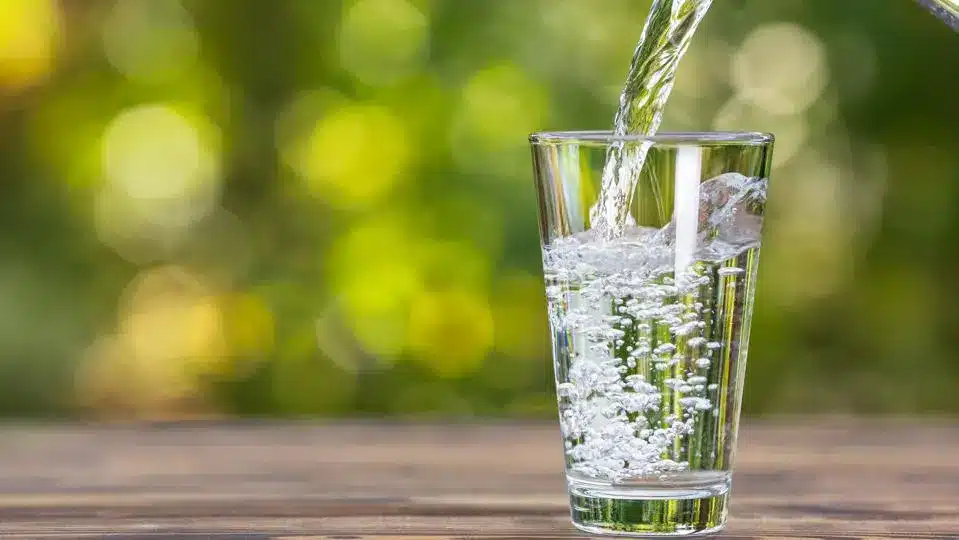
Insufficient water intake in athletes can lead to problems such as stagnation in muscle growth and a slowdown in fat loss. Water is a vital fluid for everyone’s health.
Basically, hard training and a healthy diet are what create a strong and well-shaped body, but there is an important part of nutrition that is often overlooked. About 70% of the human body is made up of water, which is essential for muscles, cartilage, and intervertebral discs. Water acts as a solvent and transport medium for nutrients and helps regulate body temperature, keeping different body systems in balance. Without enough water, the body’s organs cannot function properly.
Importance of water
Enzymes and hormones can only reach their full potential when the body is properly hydrated. Drinking enough water throughout the day helps prevent excessive fatigue.
We lose at least 2.5 liters of water daily through breathing, sweating, and excretion. Therefore, many studies recommend drinking 2 to 3 liters of water per day. As an athlete, your water needs are even higher due to increased metabolic activity and greater fluid loss. Even mild dehydration can reduce performance and increase the risk of injury.
When the body is dehydrated, concentration and thinking ability are impaired, and the nervous system does not function effectively. Muscle reaction, coordination, strength, and endurance decrease, and muscle cramps may occur.
Problems such as muscle cramps or poor performance are often linked to nutrient deficiencies or improper nutrition. However, water is part of nutrition and, more importantly, is essential as a transport and reaction medium. Even if you consume sufficient nutrients such as protein, fats, and carbohydrates, without proper hydration the body cannot process them effectively.
How much water should you drink?
On rest days, you should drink at least 3 liters of water. Activities that constantly increase metabolic rate (even during rest periods) increase athletes’ water needs. Try to consume about 50 ml of water per kilogram of body weight per day.
If you live in a hot climate and sweat more, you should drink even more water. For every hour of activity in hot weather, drink about 0.7 to 0.95 liters of water.
Before, during, and after exercise, your hydration needs increase even more. Therefore, drink at least 1 liter about 90 minutes before training to keep your muscles hydrated. Water is also important for your joints because only a well-hydrated body can produce enough synovial fluid. This fluid prevents excessive friction in the joints, which otherwise could lead to long-term injuries.
During training, you need about 0.2 to 0.3 liters of water every 10 to 20 minutes of exercise. One reason people fail to see results from training can be insufficient water intake.
After training, you should drink at least half a liter to support recovery. Water helps remove waste products such as lactic acid produced during exercise and helps deliver nutrients like proteins and carbohydrates to muscle cells.
What should you drink besides water?
At GYMAT, we generally consider water to be the most important and essential fluid for the body. Reduce the intake of caffeinated drinks, alcohol, artificial sugars, and energy drinks.
Immediately after training, you can consume low-sugar fruit juices to quickly restore mineral balance. During exercise, you lose important minerals such as sodium, potassium, and magnesium, which help protect against cramps, nausea, and muscle stiffness. These minerals are found in fruit juices and act as electrolytes for the muscles.
Let’s summarize!
Do your best to consume at least 3 liters of water per day. Water is essential for your health and physical performance!