


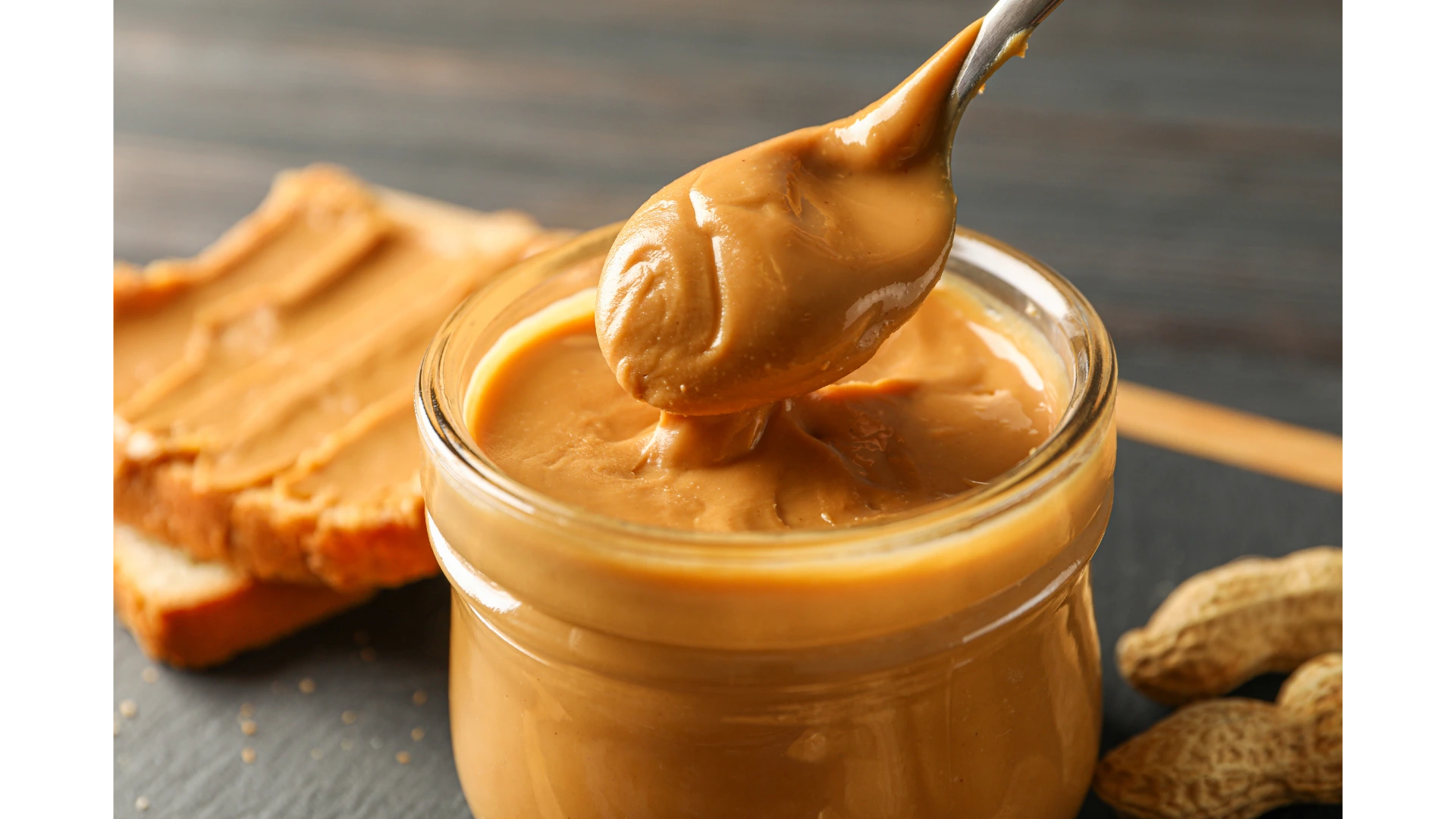
Peanut butter is not only a delicious food but also a nutrient-dense source of protein and healthy fats that can play an important role in maintaining overall health. It is especially popular among athletes and individuals who follow a structured diet.
1. Excellent Source of Protein
Peanut butter contains a significant amount of plant-based protein, which is essential for muscle growth and repair. Two tablespoons (32 grams) provide about 7–8 grams of protein, making it a great option for athletes and those on high-protein diets.
Peanut Butter Nutrition Facts (32 g serving)
| Calories | 191 |
| Fat | 16.4 gr |
| Carbohydrates | 7 gr |
| Protein | 7.2 gr |
| Fiber | 1.5 gr |
| Sugar | 3.3 gr |
| Calcium | 15 mg |
| Magnesium | 54 mg |
Related article: 15 foods for the bulking phase
2. Healthy Fats
It is rich in unsaturated fats (such as omega-9 fatty acids), which help reduce LDL (bad cholesterol) and increase HDL (good cholesterol). These fats support heart health and lower the risk of cardiovascular diseases.
3. Blood Sugar Control
Peanut butter has a low glycemic index, meaning it does not cause rapid spikes in blood sugar. Studies suggest it may be beneficial for people with type 2 diabetes or those aiming to stabilize blood sugar levels.
4. Rich in Vitamins and Minerals
Peanut butter contains several essential nutrients, including:
- Vitamin E: A powerful antioxidant that protects cells from free radical damage
- Magnesium: Essential for muscle function, energy production, and bone health
- Potassium: Helps regulate blood pressure
- Vitamin B3 (Niacin): Supports brain function and metabolism
5. Supports Weight Management (When Consumed in Moderation)
Although calorie-dense, peanut butter promotes satiety due to its protein, fiber, and healthy fats, helping control appetite. Research shows that moderate consumption does not contribute to weight gain and can be part of a balanced diet.
6. Ideal Snack Option
Peanut butter is an excellent snack choice as it provides long-lasting energy and sustained fullness. It can be combined with fruits like apples or bananas, whole-grain bread, or added to smoothies for a nutritious boost.
Important Consumption Tips
- Choose natural peanut butter without added sugar, salt, or hydrogenated oils
- Consume in moderation, as it is calorie-dense and overconsumption may lead to weight gain
Summary
Peanut butter is a tasty, nutritious, and energy-rich food that, when consumed in moderation, can support overall health, appetite control, athletic performance, and heart health. Choosing a clean, natural version and including it wisely in your daily diet can maximize its benefits.