


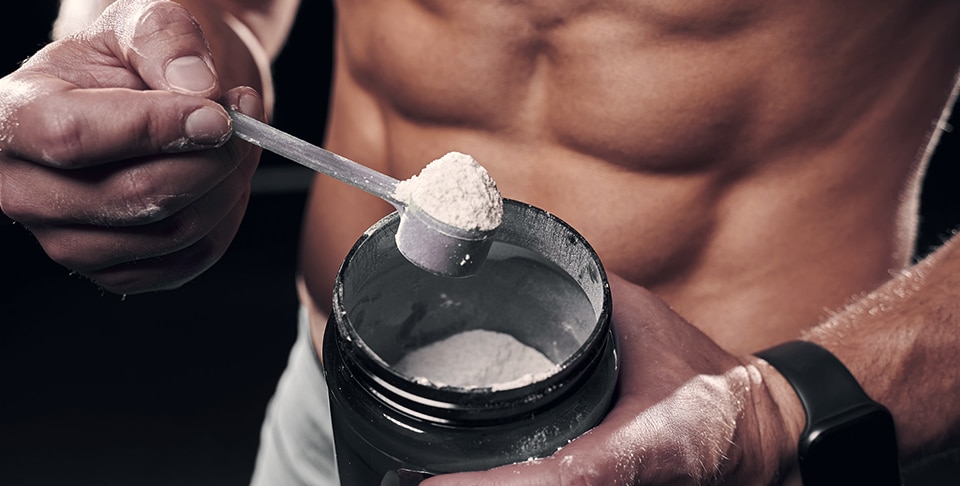
Creatine is one of the most popular supplements in the fitness industry, but there is still a lot of confusion about the best time to take it.
Is timing important? Research shows that the best time to take creatine supplements is after training, because it has a greater positive effect on increasing lean muscle mass and muscle strength. However, taking it before training also has benefits, since your body can digest it and use it during exercise.
In this article, we will discuss the differences between taking creatine before and after training.
Studies on this topic
Many studies show that taking creatine after training is better than taking it before training. In a study published in the Journal of the International Society of Sports Nutrition, participants who consumed creatine after resistance training had a greater increase in lean muscle mass compared to those who took it before training.
Researchers found that post-workout creatine intake is more effective for improving body composition. At the end of the study, body fat percentage was lower in the group that took creatine after training compared to the group that took it before training.
This experiment also showed that taking creatine immediately after training has positive effects on muscle strength.
A very important point about creatine is consistent use. Even on non-training days, taking it helps build creatine stores in your system, which your body can use during your next workout.
Taking creatine before training
Taking creatine before training can help replace creatine levels that rapidly decrease during exercise. When you take it about 30 minutes before training, your body has enough time to digest it and use it properly during exercise.
Also, higher doses of creatine take longer to digest. If you want to take it before training, it is better not to exceed 5 grams, so your body can digest it quickly enough and use it effectively during exercise.
Taking creatine after training
Taking creatine after training can lead to increases in muscle mass and strength. Researchers believe this is due to increased blood flow to skeletal muscle following resistance training, which allows more creatine to be stored in trained muscles.
Increased blood circulation, along with the depletion of glycogen and other nutrients during exercise, also means your cells are primed to replenish what was lost during training.
Another reason for post-workout creatine intake is improved recovery. Although creatine alone may not reduce muscle damage or significantly improve recovery after resistance training, its recovery benefits appear to be enhanced when taken with a high-carbohydrate meal or a protein + carbohydrate meal after training.
Let’s sum it up!
Research suggests that taking creatine after training is the best option for increasing lean muscle mass. However, taking creatine before or even during training can also be beneficial. The most important factor is consistent daily intake rather than precise timing.