


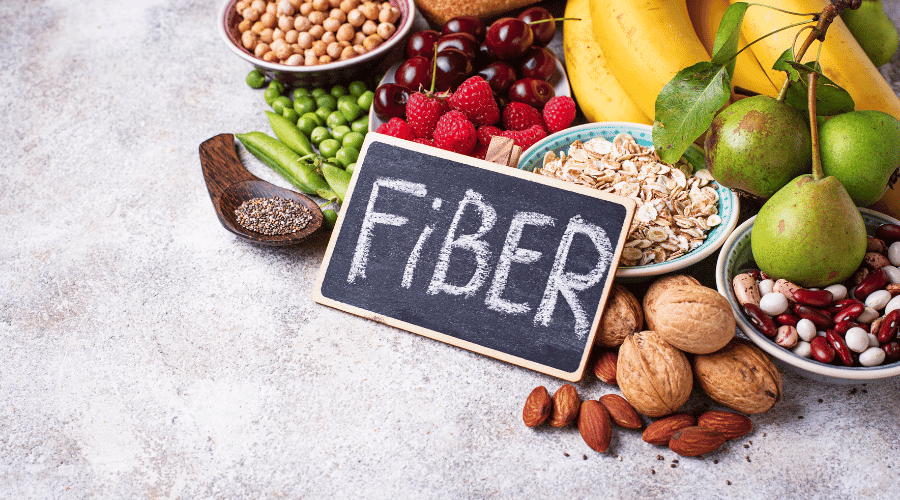
Fiber is a type of carbohydrate that the body cannot digest. While most carbohydrates are broken down into molecules of sugar called glucose, fiber cannot be broken down into sugar molecules and instead passes through the body undigested. Fibers help regulate blood sugar levels and help prevent diseases such as type 2 diabetes, heart disease, colon cancer, breast cancer, and some other conditions.
Types of fiber
Soluble fiber dissolves in water and helps control blood sugar levels and lower blood cholesterol. Foods containing soluble fiber include oats, chia seeds, nuts, beans, and lentils.
Insoluble fibers pass directly through the digestive system and help prevent constipation. Sources of this type of fiber include bran, celery, whole grains, and brown rice.
Benefits of fiber
Blood sugar management
The body needs more time to break down high-fiber foods, meaning glucose does not enter the bloodstream as quickly. This helps keep blood sugar levels stable.
Cholesterol reduction
Fiber in the digestive system can help reduce the absorption of cholesterol in the body.
Prevention of constipation
Fiber can speed up the digestion process and prevent constipation. Insoluble fiber adds bulk to the digestive tract because your body does not digest it, which stimulates bowel movements.
Reduced risk of cancer
Eating enough fiber may help prevent certain cancers, including colon and breast cancer. One reason may be that some types of fiber, such as pectin found in apples, may have antioxidant properties.
If you plan to increase high-fiber foods in your diet, do so gradually. Drink plenty of water to avoid bloating.
Fiber and exercise
Since fiber is a carbohydrate—and carbohydrates provide fuel for the body—eating high-fiber foods can improve your performance during workouts. The role of carbohydrates in athletic performance is well established and can be used to your advantage.
The table below shows the recommended fiber intake:
| age | male | female |
| 1-3 years | 14 g | 14 g |
| 4-8 years | 19.5 g | 16.8 g |
| 9-13 years | 25 g | 22.5 g |
| 14-18 years | 30.8 g | 25 g |
| 19-50 years | 38 g | 25 g |
| 51+ years | 30 g | 21 g |
16 high-fiber foods
1. Apple
Apples are delicious and filling fruits. When eaten whole, they contain both soluble and insoluble fiber.
Fiber content: 4.4 g in one medium raw apple, or 2.4 g per 100 g.
To get the fiber benefits from fruit, try eating the whole fruit instead of drinking juice.
2. Pear
Pears are a good source of fiber.
Fiber content: 5.5 g in one medium raw pear, or 3.1 g per 100 g.
3. Avocado
Avocados are rich in healthy fats and a good source of fiber, magnesium, and vitamins E, C, and B.
Fiber content: 10 g in 1 cup of raw avocado, or 6.7 g per 100 g.
4. Banana
Bananas contain nutrients such as vitamin C, vitamin B6, potassium, and resistant starch (a type of carbohydrate that acts like fiber).
Fiber content: 3.1 g in one medium banana, or 2.6 g per 100 g.
5. Strawberry
Strawberries are rich in vitamin C, manganese, and antioxidants, in addition to fiber.
Fiber content: 3 g in 1 cup of fresh strawberries, or 2 g per 100 g.
6. Oats
Oats contain a powerful soluble fiber called beta-glucan, which helps manage blood sugar and cholesterol levels.
Fiber content: 16.5 g per cup of raw oats, or 10.1 g per 100 g.
7. Raspberry
Raspberries are rich in fiber, vitamin C, and manganese.
Fiber content: 8 g per cup of raw raspberries, or 6.5 g per 100 g.
8. Carrot
Carrots provide fiber, vitamin K, vitamin B6, magnesium, and beta-carotene (a form of vitamin A).
Fiber content: 3.6 g per 1 cup of raw carrots, or 2.8 g per 100 g.
9. Broccoli
Broccoli contains fiber, vitamins C, K, and B vitamins, potassium, iron, manganese, antioxidants, and other compounds that may help fight cancer. It also contains relatively high protein compared to other vegetables.
Fiber content: 2.4 g per cup or 2.6 g per 100 g.
10. Lentils
Lentils are a good source of fiber.
Fiber content: 13.1 g per cup of cooked lentils, or 10.7 g per 100 g.
11. Beans
Beans are a good source of fiber and plant-based protein.
Fiber content: 12.2 g per cup of cooked beans, or 7.4 g per 100 g.
12. Chickpeas
Chickpeas are another type of legume rich in fiber and also provide protein and various minerals.
Fiber content: 12.5 g per cup of cooked chickpeas, or 7.6 g per 100 g.
13. Almonds
Almonds are rich in nutrients including healthy fats, vitamin E, manganese, and magnesium.
Fiber content: 4 g per 3 tablespoons, or 13.3 g per 100 g.
14. Chia seeds
Chia seeds are an excellent source of fiber and contain high amounts of magnesium, phosphorus, and calcium.
Fiber content: 9.75 g per ounce of dry chia seeds, or 34.4 g per 100 g.
15. Dark chocolate
Dark chocolate can be a good source of nutrients and antioxidants.
Choose chocolate with 70%–95% cocoa or higher and avoid products with high sugar content.
Fiber content: 3.1 g per 1-ounce piece of 70%–85% cocoa chocolate, or 10.9 g per 100 g.
16. Vegetables
Most vegetables contain significant amounts of fiber.
Spinach: 2.2 g per 100 g
Kale: 4.1 g per 100 g
Tomato: 1.2 g per 100 g
Conclusion
There are many different types of dietary fiber from a wide range of plant foods. Do not focus on a single type, as each has its own benefits. Instead, eating a variety of fruits, vegetables, whole grains, legumes, nuts, and seeds will help you meet your daily fiber requirements.