


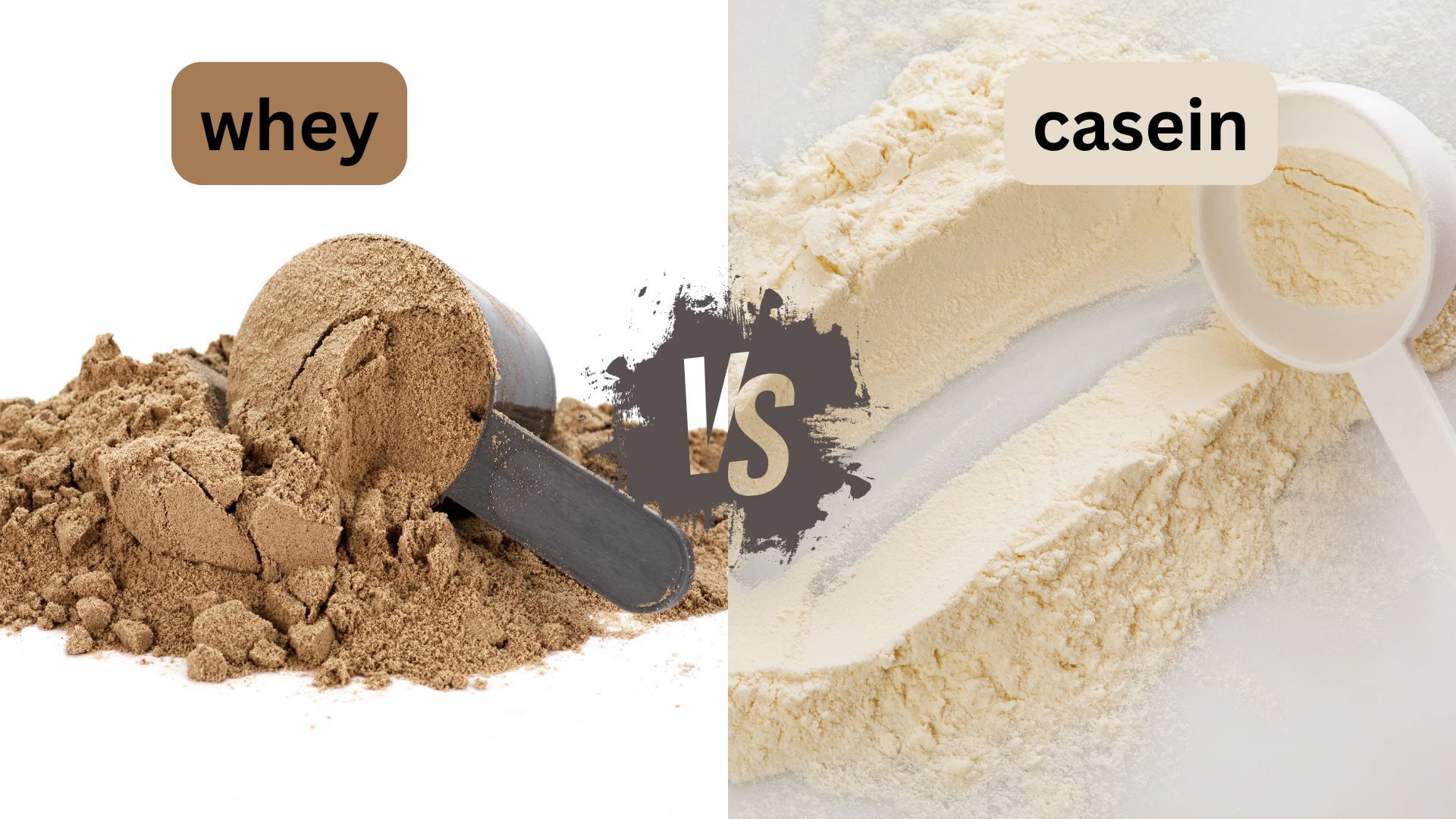
If you’re into fitness—especially resistance training or bodybuilding—you’ve probably come across two familiar names: whey protein and casein protein. Both are derived from milk, but they have different properties that make them suitable for different times and goals. In this article, we’ll break down their key differences so you can make a smarter choice.
What Are Whey and Casein?
Whey and casein are the two main proteins found in cow’s milk. About 80% of milk protein is casein, while 20% is whey.
During cheese production, casein forms curds and separates from the milk, while the remaining liquid contains whey, which is later collected and dried.
Both proteins contain all essential amino acids and are considered high-quality protein sources. However, their functional differences make them useful in different situations.

Differences in Digestion and Absorption
The most important difference between whey and casein is their digestion speed.
Whey Protein
Whey is a fast-digesting protein. It quickly increases amino acid levels in the blood—usually within about 90 minutes after consumption. This makes it ideal for post-workout recovery.
Casein Protein
Casein is a slow-digesting protein. After consumption, it forms a gel-like substance in the stomach, leading to a gradual release of amino acids over 4–5 hours. This makes it especially useful for preventing muscle breakdown during long periods without food, such as overnight.
Related article: Should You Drink a Protein Shake Before Bed?

Effects on Muscle Growth and Recovery
Research shows that:
- Whey protein, rich in leucine, rapidly stimulates muscle protein synthesis.
- Casein protein provides a slow release of amino acids, helping prevent muscle breakdown during fasting periods such as sleep.
While whey is more effective in initiating muscle protein synthesis, long-term studies show no significant difference in muscle gains between the two—provided total daily protein intake is sufficient.
Pros and Cons of Each
Benefits of Whey Protein
- Fast absorption
- High in BCAAs (especially leucine)
- Easily mixable with liquids
- More affordable than casein
Drawbacks of Whey Protein
- May cause digestive discomfort in some individuals
Benefits of Casein Protein
- Slow and steady amino acid release
- Helps preserve muscle mass during fasting periods
- Promotes satiety for longer periods
- Supports overnight recovery
Drawbacks of Casein Protein
- Slower digestion
- Less soluble in liquids
- Usually more expensive than whey
- Heavier texture and different taste
Summary
Whey and casein are both excellent choices for muscle building and recovery. The best option depends on your goals, timing, and individual needs.
- If you want a fast spike in amino acids after training, whey protein is the best choice.
- If your goal is to prevent muscle breakdown during long fasting periods or sleep, casein protein is more suitable.
Using both strategically—whey after workouts and casein before bed—can deliver excellent results for athletes.
In the end, the most important factor for muscle growth and maintenance is not just the type of protein, but ensuring adequate total daily protein intake from both food and supplements.