



In this article, we’ll discuss 8 dumbbell exercises for shoulder training, but first, it’s important to understand the different parts of the shoulder.
The Different Parts of the Shoulder
The term shoulder generally refers to the deltoid muscles, which consist of three heads:
- Anterior Deltoid (Front Deltoid): The front portion of the shoulder.
- Lateral Deltoid (Side Deltoid): The middle section that contributes to shoulder width.
- Posterior Deltoid (Rear Deltoid): The back portion of the shoulder, which plays an important role in shoulder stability.
In this article, we’ll cover exercises that target all three heads of the deltoid. For optimal shoulder development, your training should include movements that effectively work each of these areas.
- Dumbbell Front Raise (1)
- Dumbbell Clean and Press
- Dumbbell Front Raise (2)
- Dumbbell Shoulder Press
- Dumbbell Lateral Raise
- Dumbbell Bent-Over Reverse Fly
- Dumbbell Upright Row
- Dumbbell Arnold Press
The beauty of these exercises is that they can all be performed with just a pair of dumbbells, making them highly effective for home gyms or situations where you don’t have access to a full gym.
1. Dumbbell Front Raise (1)
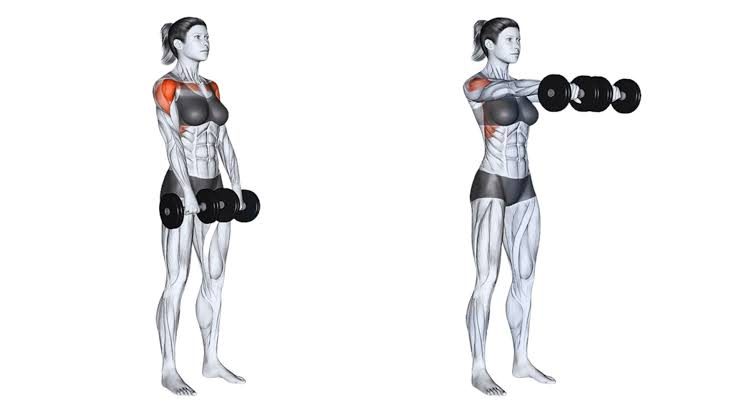
Benefits
- A great exercise for building the front deltoids and increasing shoulder size.
Drawbacks
- It may cause shoulder discomfort for some individuals, particularly those with previous shoulder strain or poor posture.
Key Tip
- Control the lowering phase of the movement. There’s no need to use heavy weights. Swinging the dumbbells can increase the risk of shoulder pain and injury.
2. Dumbbell Clean and Press
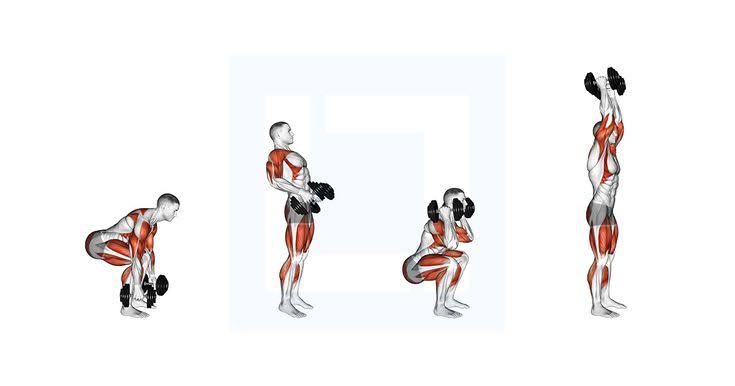
Benefits
- A compound exercise that helps build overhead pressing strength.
- Excellent for developing power throughout the posterior chain.
Drawbacks
- Since it involves multiple muscle groups, it is not an isolation exercise specifically for the shoulders.
Key Tip
- The pressing phase should be driven entirely by the upper body.
3. Dumbbell Front Raise (2)
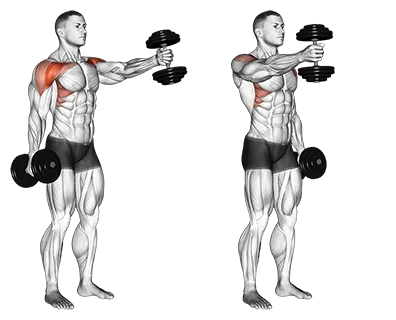
Benefits
- An excellent movement for building shoulder mass, primarily targeting the front deltoids.
Key Tip
- Use lighter weights and perform higher repetitions, around 12–15 reps. Avoid using momentum or swinging the weights. Every repetition should be controlled and focused on shoulder engagement.
4. Dumbbell Shoulder Press
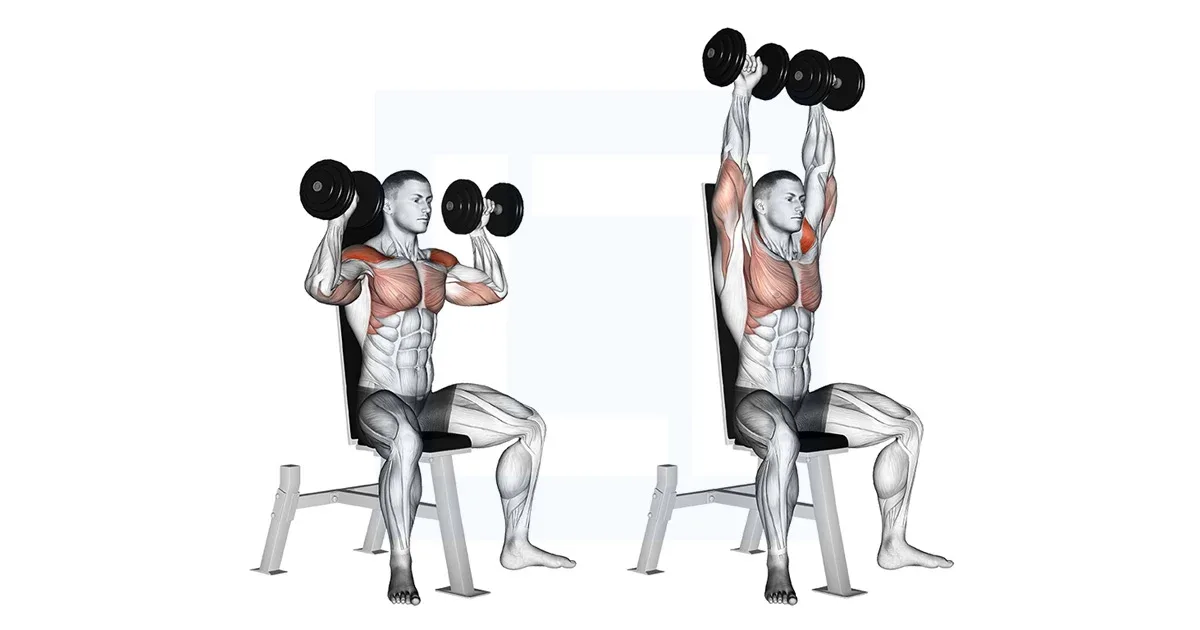
Benefits
- Targets the shoulders while also engaging the triceps and upper chest.
- The seated variation eliminates assistance from the lower body, making it a highly effective shoulder exercise.
Key Tip
- Lower the dumbbells all the way to shoulder level, or at least within an inch of the shoulders, to maximize muscle development. Avoid banging the dumbbells together at the top.
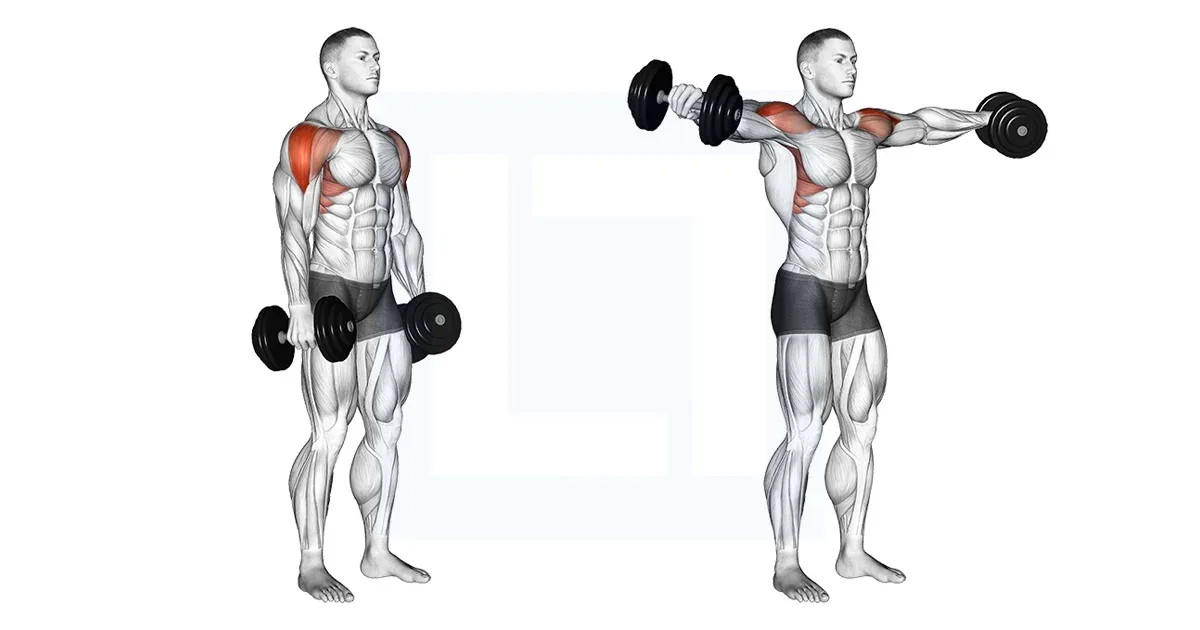
5. Dumbbell Lateral Raise
Benefits
- One of the best exercises for directly targeting the lateral deltoids without placing significant stress on other upper-body muscles.
- Places relatively little stress on the joints and can be performed with higher repetitions.
Drawbacks
- Using excessively heavy weights may place unnecessary strain on the shoulder joint.
Key Tip
- Instead of thinking about lifting the dumbbells, focus on raising your elbows and wrists.
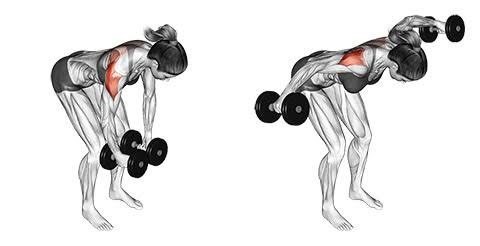
6. Dumbbell Bent-Over Reverse Fly
Benefits
- Excellent for targeting the rear deltoids and improving overall shoulder development.
Drawbacks
- Commonly performed incorrectly due to excessive weight, too much momentum, or poor positioning.
- Beginners may find it difficult to properly engage the rear delts.
Key Tip
- If you don’t feel the rear deltoids working, you’re likely performing the movement incorrectly. Focus on small, controlled motions, slower tempos, and brief pauses rather than large swinging movements.
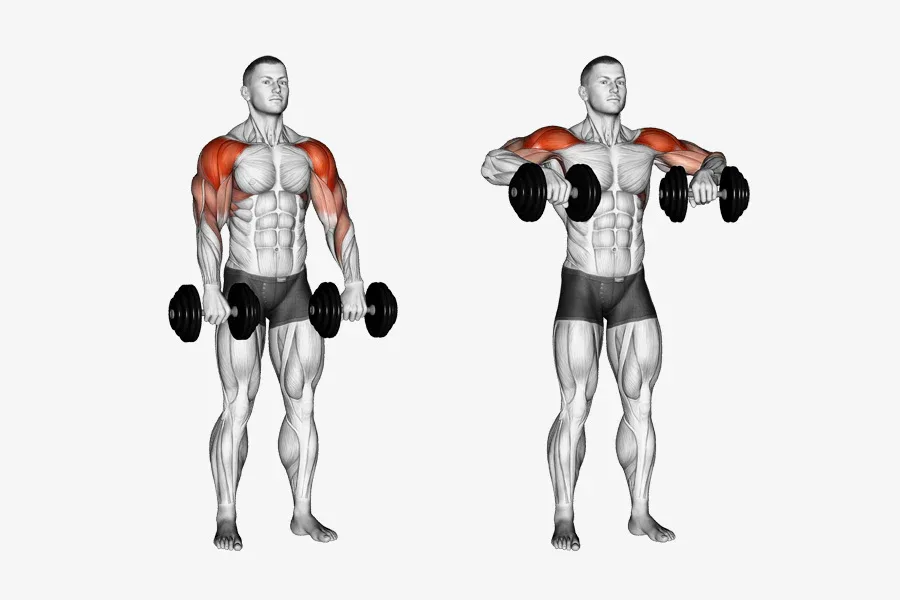
7. Dumbbell Upright Row
Benefits
- Effective for building shoulder size, especially in the front and side deltoids.
Drawbacks
- May not be suitable for individuals with shoulder issues.
Key Tip
- Use light to moderate weights and maintain full control throughout the movement. Avoid leaning forward while lifting.
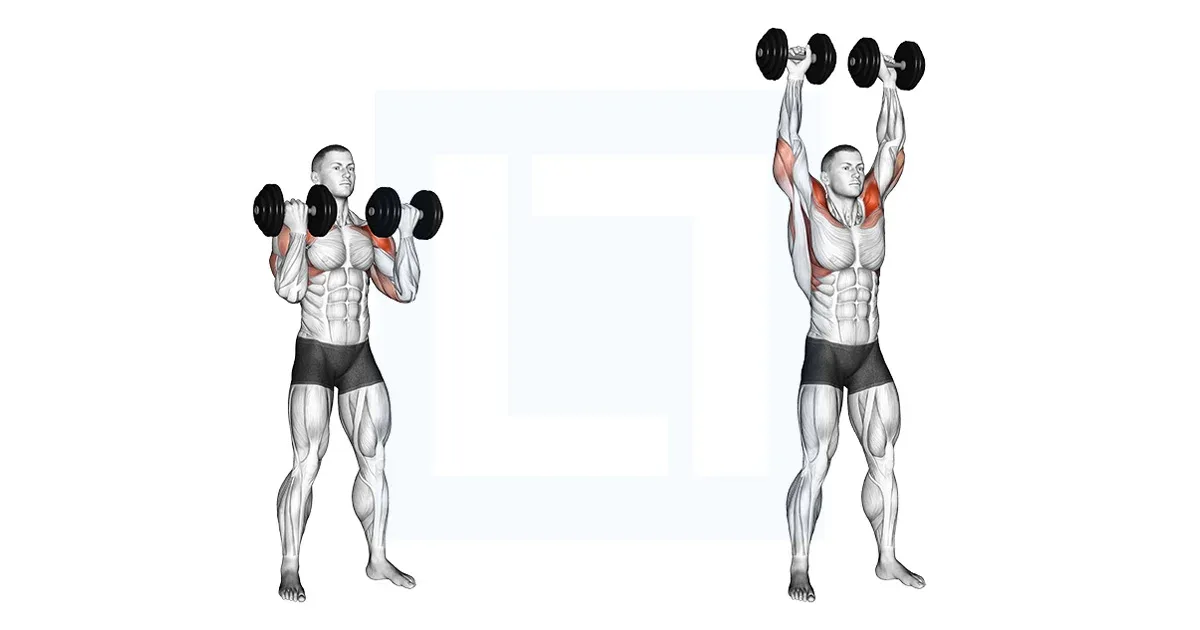
8. Dumbbell Arnold Press
Benefits
- The rotation at the bottom increases the range of motion and enhances overall shoulder development.
- A greater range of motion can help stimulate additional muscle growth and strength gains.
Drawbacks
- Relaxing at the bottom position may place unnecessary stress on the shoulder joint. Keep your chest and upper back stable throughout the movement.
Key Tip
- Stay tight and controlled at the bottom rather than resting between repetitions.
Let’s Summarize!
Dumbbells provide a wide variety of effective exercises for shoulder training.
By understanding the different heads of the deltoid and learning how to train them effectively through proper angles and movement patterns, you can build stronger, healthier, and more muscular shoulders.
If you’d like to incorporate these exercises into your training program, try Gymat. The Gymat web app creates personalized workout plans based on your goals, training data, recovery levels, and progression rate. With more than 600 exercise and workout videos, you can be confident that you’re performing movements correctly and getting the best possible results.