


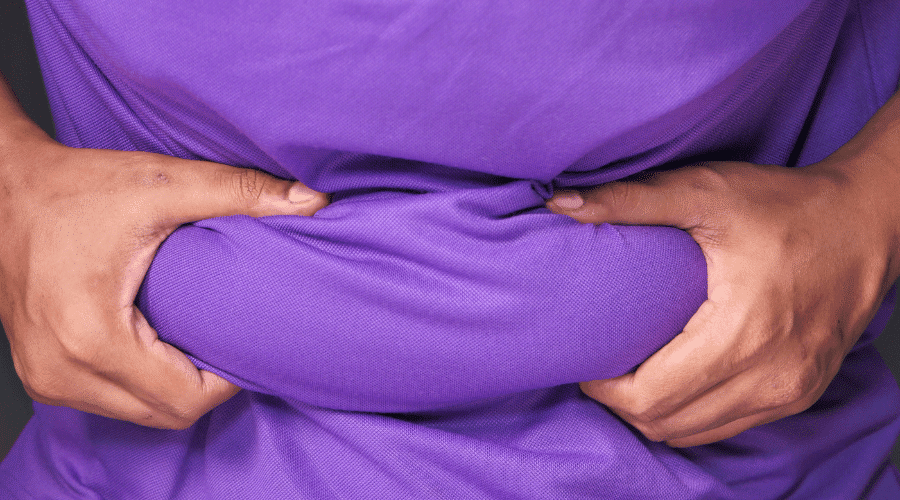
Belly Fat Reduction: 14 Effective Strategies
Belly fat is one of the most challenging fitness goals. It is not only about appearance—it is a health concern. Excess abdominal fat is linked to several conditions such as type 2 diabetes, heart disease, and certain cancers. This blog provides effective strategies to help reduce belly fat and improve overall health.
These 14 strategies are divided into three categories: diet, training, and lifestyle.
Diet
1. Increase Protein Intake
Protein is an essential macronutrient for body weight management. A high-protein diet helps reduce appetite and increases feelings of fullness.
Studies show that individuals who consume more protein tend to have lower body fat levels. Protein also helps preserve muscle mass during weight loss.
Related article: Don’t forget protein intake after training with Gymat!
2. Increase Soluble Fiber Intake
Soluble fiber dissolves in water and helps regulate blood sugar and lower cholesterol levels. Foods rich in soluble fiber include fruits, oats, chia seeds, nuts, beans, and lentils.
It also reduces appetite and increases fat metabolism, which significantly supports weight loss.
Related article: What is fiber and how does it affect your training?
3. Reduce Carbohydrate Intake
Reducing carbohydrates—especially refined carbs and sugars—can help decrease fat accumulation. Instead, focus on whole foods such as fruits and vegetables.
A study showed that individuals consuming the highest amount of whole grains had a 17% lower risk of abdominal fat compared to those consuming refined grains.
4. Replace Trans Fats with Healthy Fats
Contrary to popular belief, not all fats are harmful. Monounsaturated and polyunsaturated fats (found in olive oil, avocados, and nuts) can help reduce belly fat.
Always read food labels and avoid products containing trans fats.
5. Avoid Alcohol
Research shows that high alcohol consumption is strongly associated with increased abdominal fat storage.
Instead, opt for drinks like green tea, which contains caffeine and antioxidants that can boost metabolism and support weight loss.
A 2022 study found that green tea may help reduce body weight and waist circumference.
6. Limit Added Sugars
Reducing sugar intake is a major step in losing belly fat. Sugar and refined carbohydrates increase insulin levels, signaling the body to store fat.
High fructose intake is linked to increased abdominal fat, insulin resistance, higher blood sugar, and increased risk of type 2 diabetes and heart disease.
Sugar-sweetened beverages are especially harmful, as liquid calories are not properly recognized by the brain, leading to increased overall calorie intake.
7. Get Enough Omega-3
Fatty fish are excellent sources of omega-3 fatty acids and high-quality protein.
Studies on individuals with fatty liver disease show that omega-3 supplements may significantly reduce liver and abdominal fat.
Recommended fish include:
- Salmon
- Herring
- Trout
Training
8. HIIT (High-Intensity Interval Training)
HIIT increases post-exercise oxygen consumption (EPOC), boosting metabolism and calorie burn.
It also improves insulin sensitivity, helping muscles use glucose more efficiently.
Related article: What is HIIT?
9. Cardio Exercise
Weight loss does not require excessive cardio. The most important factor is maintaining a calorie deficit.
However, 30 minutes of daily cardio can help increase calorie burn and support fat loss.
Excessive cardio, especially during a calorie deficit, may lead to muscle loss and negatively affect body composition.
10. Weight Training
A common concern during weight loss is losing muscle mass and strength. Resistance training helps prevent this.
A study on overweight adolescents showed that combining strength training with cardio led to the greatest reduction in visceral fat.
11. Abdominal Exercises
Targeted abdominal exercises can help strengthen core muscles and improve muscle definition.
Recommended exercises:
- Reverse crunch
- Plank
- Side plank
- Bicycle crunch
- V-up
Lifestyle
12. Reduce Stress
Stress increases cortisol levels, which can lead to overeating, poor sleep, slower metabolism, and abdominal fat accumulation.
High cortisol levels are associated with increased appetite and fat storage.
13. Get Enough Quality Sleep
A randomized controlled study led by Dr. Naima Covassin at the Mayo Clinic showed that sleep deprivation increases total abdominal fat by 9% and visceral fat by 11%.
Getting at least 7 hours of quality sleep can significantly improve overall health.
14. Surround Yourself with Healthy People
This may sound surprising, but the people around you influence your habits. Spending time with health-conscious individuals can positively impact your own behavior and lifestyle choices.
Gymat
As always, Gymat supports you on your journey. With the Gymat web app, you can generate a personalized workout plan based on your goal (such as fat loss) and available equipment in seconds. You also get access to over 1,000 exercises, each with clear instructions and demonstrations.
Summary
Reducing belly fat requires a combination of diet, exercise, and lifestyle changes. It is not just about calorie counting—it is about building healthier habits and maintaining consistency.
There is no magic solution. With patience and discipline, you can not only reduce belly fat but also significantly improve your overall health and well-being.
Remember: fat loss is a marathon, not a sprint.